




Climate extremes are becoming the new normal for Norfolk with recent years bringing some of the most dramatic changes on record.
The county could see a change in winter conditions after a summer of record-breaking heat, wildfire and ongoing drought conditions.
Met Office analysis of climate data from 2016 to 2025, compared with the baseline period of 1961 to 1990, shows a sharp rise in hot days across the region.
Experts at the Met Office have examined changes in the "air frost" days between autumn and spring, and also looked at the summer days reaching 25C and over.

In Norfolk, the average number of days reaching 25C has more than doubled, rising from 8.6 to 19.9 days, while days hitting 30C have climbed from 0.6 to three days.
Lingwood recorded a scorching high of 38C which is the hottest day on record in June for the UK.
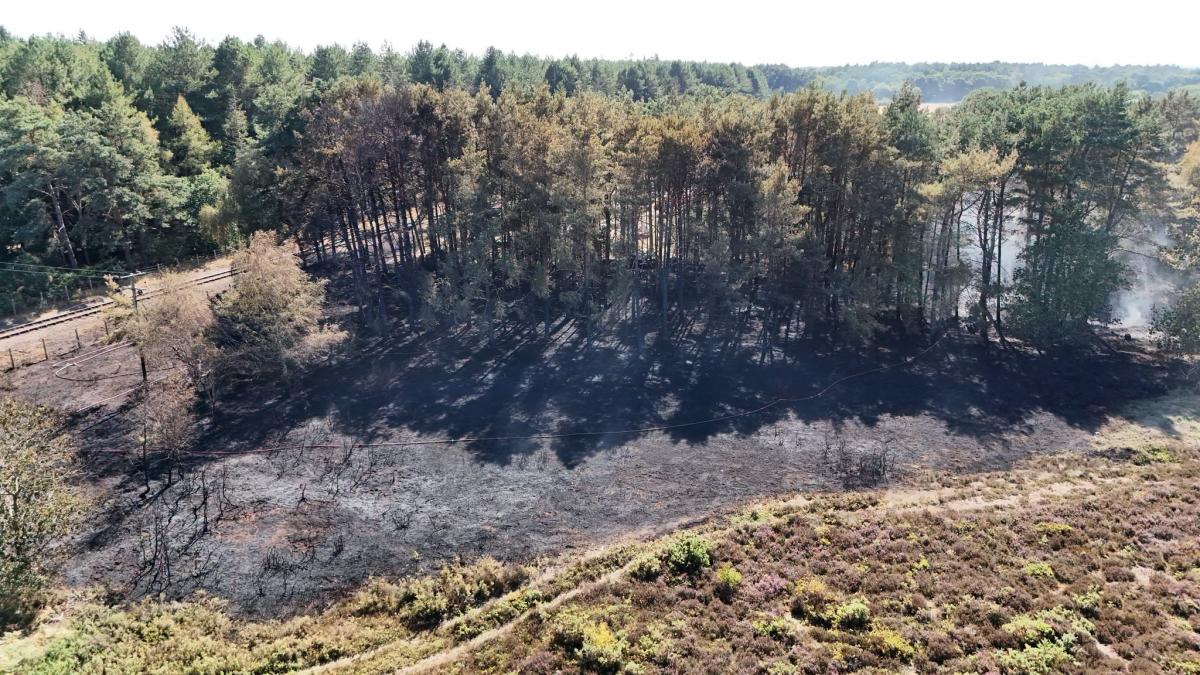
In August the county saw 1,295 wildfires which is a record number for the fire service and affected areas such as Mousehold Heath in Norwich and Kelling Heath near Holt.
Meanwhile, winter frost days in the county have dropped by about a third, from 34.7 to 23.9 days.

This means that the county is seeing far fewer frosty starts and milder winters, with the chances of snowfall drastically reduced.
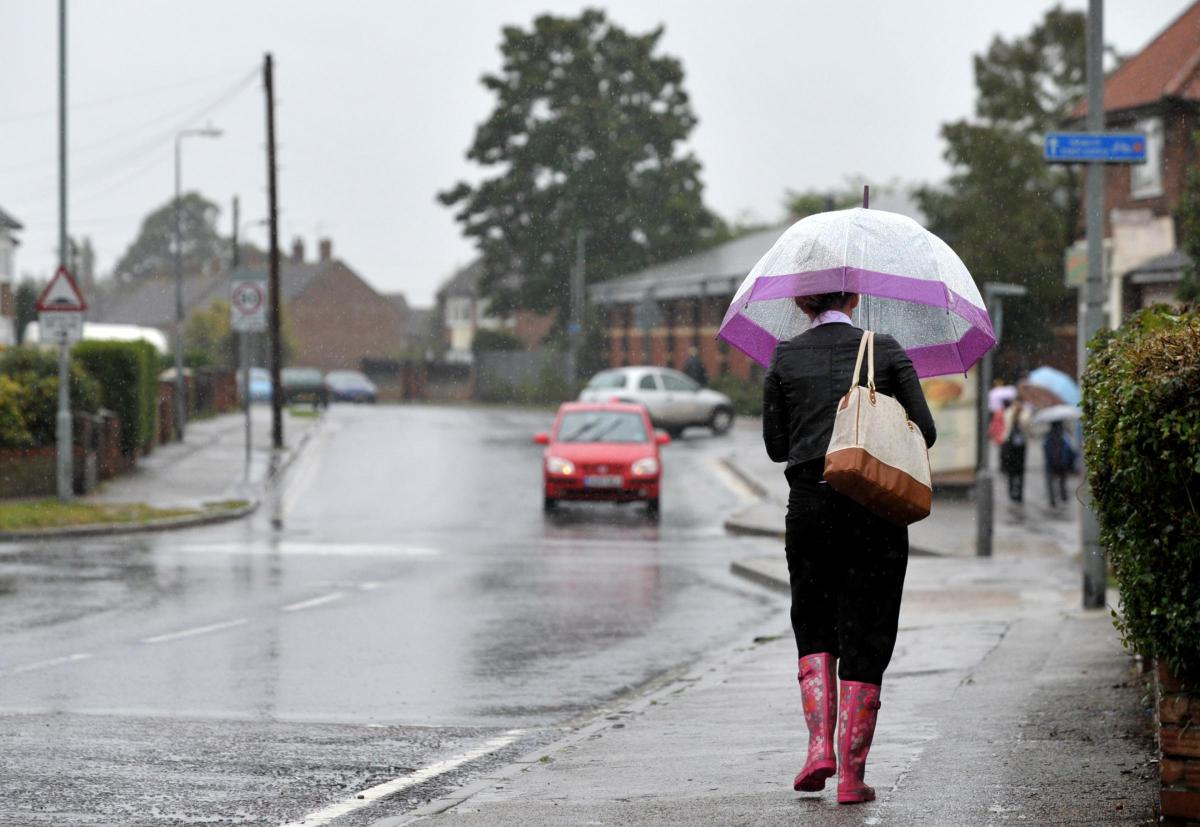
The Met Office has predicted that by 2070, our winters will be between 1C to 4.5C warmer and up to 30pc wetter.
Dr James Pope, Met Office climate scientist, told the BBC: "The changes we're seeing in our climate and across the year in individual seasons are all related to the fact that since the 1850s - the pre-industrial period - we've begun to increase the amount of greenhouse gases in our atmosphere.

"There is a natural greenhouse effect, but the additional human activity has amplified that effect and is making our current warming so much greater."
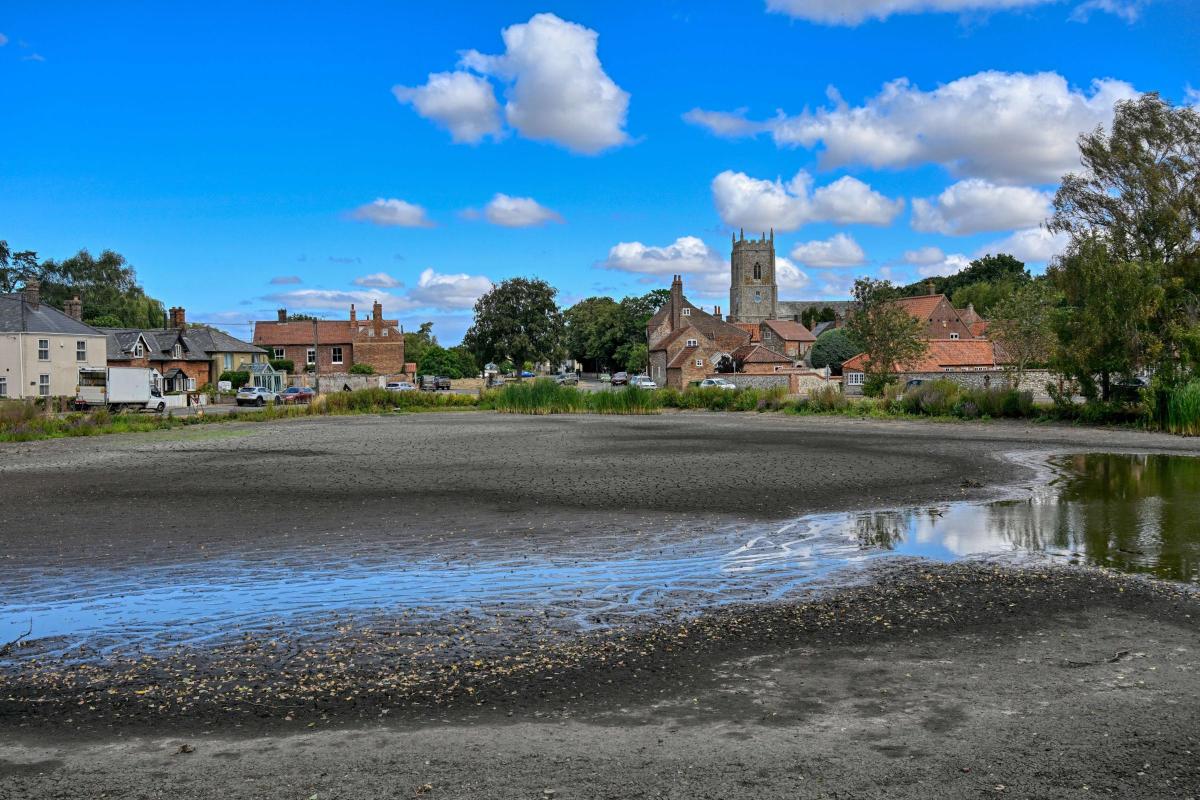
Anglian Water continues to warn of drought across the region, even as winter approaches, and has said dry conditions could persist into next year.


Share